Not many days go by anymore without hearing about a data breach of some sort. Most recently, the IRS announced they were breached and over 100,000 taxpayers had their data exposed. With technology becoming more ingrained into our daily lives, these data breaches are unfortunately something that we are going to have learn to live with in order to enjoy the conveniences we have today.
The best way to protect yourself and your identity is to monitor your account information and get a credit report annually. First, make sure you review your bank and credit card information on a regular basis. Each financial institution has a grace period for you to report any suspicious activity before you may become liable for it yourself. By looking at your statements on a weekly or monthly basis, you'll be able to identify potentially fraudulent transactions, and eliminate the hassle of having to try and repair your credit history.
One additional step every consumer needs to take is to review their credit report. The Federal Government mandates that each Credit Reporting Agency provide consumers with a Free report every 12 months. One suggestion is to obtain a report every four months from one of the 3 credit reporting agencies. Complete details on how to get your report is available on www.annualcreditreport.com.
Wednesday, June 3, 2015

Wednesday, October 1, 2014
Technology Can Help, But You Need To Stay active in protecting your personal information
It seems like every week, a major retailer is announcing a
breach of their data security system, creating a sense of insecurity for
millions of their customers. This trend
is not something that is going to end soon either, making it imperative for
each individual to safeguard their personal information, and monitor all of
their financial accounts. Technology has
provided with us the incredible convenience of paying for things using a credit
card and the Internet. And while we
enjoy coming home to a package on our porch instead of battling the crowds in
stores during the holiday season, consumers can not ignore the risk that goes
along with providing personal information to anyone, whether it is online or in
person.
Thankfully, there are things that consumers can do to help
protect themselves. The most basic and
easiest is to monitor your account activity.
If you see something suspicious, call your Bank or Credit Card provider
immediately. Waiting too long can result
in a significant loss on your end, and it could result in a hit on your credit
rating.
Technology will also be a big help in battling identity
theft, with innovations like Apple Pay and more secure credit cards leading the
way. It will be most interesting to see
the impact Apple Pay will have on the consumer.
This technology, available on the iPhone 6, will allow the user to
register their card information with the Apple Pay service, and instead of
using their card they will simply wave their phone to make purchases at retail
locations. Why is this safer? Because for each use, a new card number is assigned
to the user, and that number can never be used again. Should there be a security breach, the
consumer’s data is safer since the hacker will not be able to use the card
number due to it constantly changing.
Of course, as much new technology will help, hackers will
employ their own technological innovations to try and catch up. So it really
comes down to the old principal of being careful who you provide your
information too, and closely monitoring your account information. Remember, you
are entitled to a free credit report each year, so make sure you take advantage
of this by visiting https://www.annualcreditreport.com/index.action.
Member FDIC.
Wednesday, May 7, 2014
What to do if you Suspect ID Theft
Banks are national leaders in preserving
the security of customer data, with the industry as a whole dedicating hundreds
of millions of dollars annually to data security. Even with all this being done, retailers are
still susceptible to cyber-attacks, and it’s in your best interest to keep an
eye on your account information regularly.
If you suspect that your identity has been stolen, there are some basic
steps you should take:
- Call your bank and credit card issuers immediately so they can start working on closing your accounts and clearing your name.
- File a police report and call the fraud unit of three credit-reporting companies. The fraud unit numbers are:
- TransUnion - 800.680.7289
- Experian - 888.397.3742
- Equifax - 800.525.6285
- Consider placing a victim statement in your credit report.
- Make sure to maintain a log of all the contacts you make with authorities regarding the matter. Write down names, titles, and phone numbers in case you need to re-contact them or refer to them in future correspondence.
- For more advice, contact the FTC’s ID Theft Consumer Response Center at 1-877-ID THEFT (1-877-438-4338) or www.ftc.gov/idtheft.
Member FDIC.
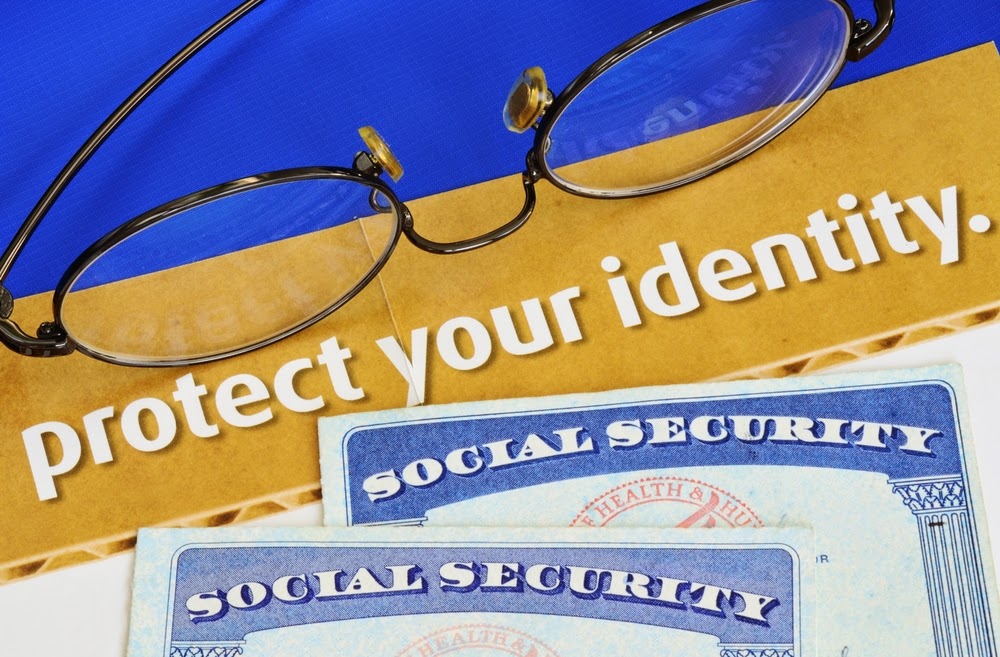
Wednesday, April 23, 2014
Protect Your Identity, Protect Your Money
Identity theft is
one of the fastest growing crimes in the United States. Last year alone, 12.6
million people – or 1 out of every 20 consumers – were victims of identity
fraud. Keeping your information safe is vital in our technology driven society,
and there are certain steps that you can take to help keep your identity, and your
money, safe.
Don’t
share your secrets.
Don’t provide your Social Security number or account information to anyone who contacts you online or over the phone. Protect your PINs and passwords and do not share them with anyone. Use a combination of letters and numbers for your passwords and change them periodically. Do not reveal sensitive or personal information on social networking sites.
Don’t provide your Social Security number or account information to anyone who contacts you online or over the phone. Protect your PINs and passwords and do not share them with anyone. Use a combination of letters and numbers for your passwords and change them periodically. Do not reveal sensitive or personal information on social networking sites.
Shred sensitive papers.
Shred receipts, banks statements and unused credit card offers before throwing them away.
Shred receipts, banks statements and unused credit card offers before throwing them away.
Monitor your credit report.
Order a free copy of your credit report every four months from one of the three credit reporting agencies at annualcreditreport.com.
Order a free copy of your credit report every four months from one of the three credit reporting agencies at annualcreditreport.com.
Protect your computer.
Make sure the virus protection software on your computer is active and up to date. When conducting business online, make sure your browser’s padlock or key icon is active. Also look for an “s” after the “http” to be sure the website is secure.
Make sure the virus protection software on your computer is active and up to date. When conducting business online, make sure your browser’s padlock or key icon is active. Also look for an “s” after the “http” to be sure the website is secure.
Protect your mobile device. Use the passcode lock on your smartphone and other devices. This will make it
more difficult for thieves to access your information if your device is lost or
stolen. Before you donate, sell or trade your mobile device, be sure to wipe it
using specialized software or using the manufacturer’s recommended technique.
Some software allows you to wipe your device remotely if it is lost or stolen.
Following these tips will give you more security in knowing that your information is safe and secure. Be safe and take care of your personal information.
Tuesday, April 8, 2014
Tips For Buying Your New Home
Spring is traditionally the time of year when families
looking to buy a new home start the process.
It’s an exciting time, yet many homeowners get frustrated with the
process as it can be a bit tedious. So
to help you navigate your way through buying your dream home, Magyar Bank will be posting helpful tips throughout the month on our Facebook and Google+ pages. Our topics will include keeping an eye on
your credit score, making sure you have enough for a down payment, and what
type of documents you will need to include as part of your loan application.
Doing your homework before you contact a Realtor can speed
the process up as well. Take a look at
your credit report and make sure there is no fraudulent activity before you
start home shopping and apply for a mortgage.
You can obtain a free credit report as required by Federal Law at www.annualcreditreport.com.
One question many people ask is whether they should rent or
buy. While there are a number of factors
involved in making this decision, one key element to consider is how long you
will stay in the home. Generally, the
longer you plan to live somewhere, the more it makes sense to buy. Over time, you can build equity in your home. Of course, renters have more flexibility to
move so it’s important to review your current situation and think about how
long you’ll want to stay in your new home.
Most of all, try to make the process enjoyable. Moving can be stressful, but once all the
boxes are unpacked and the walls are the colors you want, there is really no
place like home.
Wednesday, April 2, 2014
Magyar Bank Launches New Blog
Welcome to Magyar Bank’s blog!
As a community bank, we’re committed to maintaining an open line of communication with our customers, and in today’s high-tech world, a blog is just one of the many ways we can keep you informed of community events Magyar Bank is involved in, and provide expertise on various financial topics.
Our new blog is part of a revamped social media program that
Magyar is embarking on that includes a revamped Facebook page and new channels
on Google+, LinkedIn and YouTube.
These
sites have been a great tool for us to showcase our community involvement, and
communicate special events and messages quickly to our customers. Just this past winter, our Facebook page
became an integral part of our communication program to let customers know
about early closings or delayed openings that resulted from the numerous snow
storms we had to deal with.
If you have not found us yet, be sure to like us on Facebook,
follow us on LinkedIn and Google+, and check out our YouTube channel which
features our video on Magyar Bank’s recent “Outstanding” rating from the FDIC
for community service.
Subscribe to:
Posts (Atom)